
Services
“Expert Solutions for a Lifetime of Healthy Smiles. Our Services Include
Preventive, Restorative, and Cosmetic Dentistry. Your Smile, Our Expertise”
What To Expect
Helping Your Dental
Problems
At Samarth Dental Clinic, our team of highly skilled and experienced dentists, hygienists, and support staff are dedicated to delivering personalized, top-notch dental care that exceeds your expectations. As a leading provider of comprehensive dental services, including general dentistry, cosmetic dentistry, implantology and oral surgery, we utilize the latest advancements in dental technology and techniques to ensure that our patients receive the highest quality care. Our commitment to excellence, patient-centered approach, and warm, welcoming atmosphere have earned us a reputation as one of the best dental clinics in Pune – PCMC. Whether you’re seeking a routine cleaning, dental implants, teeth whitening, or any other dental service, we invite you to experience the difference that our expertise, compassion and dedication to exceptional care can make Schedule your appointment today and discover why we’re the top choice for dental care in Pimpri Chinchwad Pune.
- Root Canals
- Exams & Cleanings
- Cosmetic Dentistry
- Teeth Whitening
- Braces & Implants
- Dental Filling
- Teeth Checkup
- Smile Enhancement
- Endodontics
- Laser Dentistry

Our Services

Let’s know about the Oral Surgery!
Oral surgery is a specialized dental service that involves surgical procedures to treat various oral health issues, including wisdom teeth removal, dental implants, and corrective jaw surgery.
Before undergoing oral surgery, it's essential to:
Consult with an oral surgeon:
Discuss your treatment options, risks, and benefits.
Follow pre-surgical instructions:
Prepare for the procedure by following specific guidelines.
Plan for recovery:
Arrange for post-surgical care, including pain management and follow-up appointments.
Oral surgery encompasses a wide range of procedures, including:
Wisdom teeth removal:
Surgical extraction of impacted or infected wisdom teeth.
Dental implants:
Placement of artificial teeth roots to support crowns, bridges, or dentures.
Bone grafting:
Surgical procedure to rebuild or repair damaged bone in the jaw.
Orthognathic surgery:
Corrective jaw surgery to treat misalignment, malocclusion, or facial deformities.
Oral pathology:
Diagnosis and treatment of oral diseases, such as oral cancer or cysts.
TMJ surgery:
Surgical treatment for temporomandibular joint disorders (TMJ).
Cleft lip and palate repair:
Surgical correction of congenital defect
Oral surgery can provide numerous benefits, including:
Improved oral function:
Enhanced chewing, speaking, and swallowing abilities.
Relief from pain:
Alleviation of discomfort, pain, or swelling caused by oral health issues.
Enhanced aesthetics:
Improved appearance of the teeth, gums, and facial structure.
Increased confidence:
Boosted self-esteem and confidence in one's smile and overall oral health.
(FAQ’s) Frequently Asked Questions about the Oral Surgery
Oral surgery, also known as oral and maxillofacial surgery, is a specialized branch of dentistry that deals with surgical procedures related to the mouth, teeth, and surrounding tissues. |
1. What should I expect during the initial consultation? - A thorough examination, discussion of treatment options, and explanation of the procedure. 2. How do I prepare for oral surgery? - Follow pre-surgical instructions provided by your surgeon, including dietary restrictions and medication guidelines. |
1. Will I be awake during the surgery? - Depending on the procedure, you may be under local anesthesia, sedation, or general anesthesia. 2. How long does oral surgery typically take? - Procedure times vary, but most surgeries take between 30 minutes to several hours. 3. Will I experience pain during the surgery? - You should not feel pain during the procedure, as anesthesia will be used to numb the area. |
1. What can I expect during the recovery period? - Follow post-surgical instructions, rest, and avoid strenuous activities. 2. How long does recovery typically take? - Recovery times vary, but most patients can return to normal activities within a few days to a week. 3. What are some common post-surgical complications? - Swelling, bruising, bleeding, and dry socket (in the case of tooth extractions). |
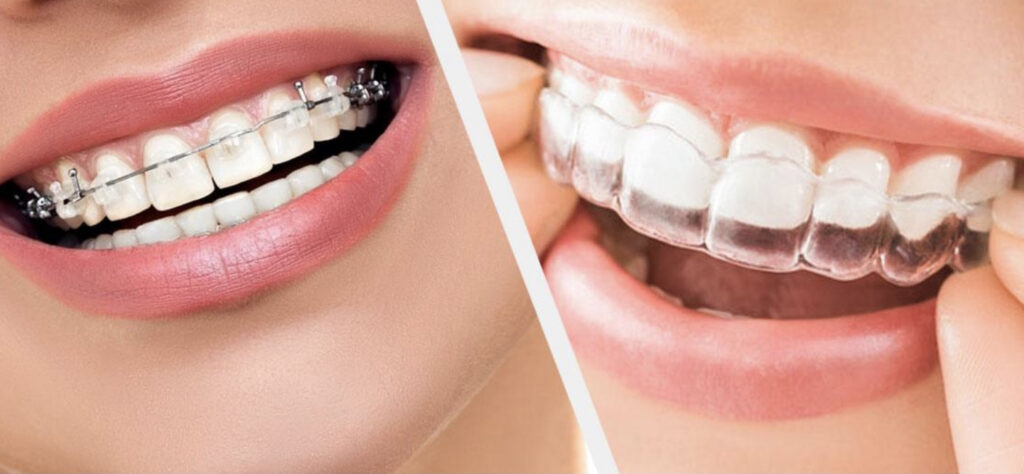
Let’s get to know about the Orthodontics!
Orthodontics is a specialized branch of dentistry that focuses on correcting misaligned teeth, jaws, and facial structures to improve oral function, aesthetics, and overall quality of life. Using various appliances such as braces, aligners, and retainers, orthodontists help patients achieve a healthier, straighter, and more confident smile.
Braces:
Metal, ceramic, or clear brackets bonded to teeth, connected by wires and elastic bands.
Aligners:
Clear, removable trays that gradually move teeth into position.
Retainers:
Appliances worn after orthodontic treatment to maintain the new position of teeth.
Headgear:
Appliances that apply gentle pressure to the teeth and jaws to correct bite issues.
Palatal Expanders:
Appliances that widen the upper jaw to correct bite issues.
Improved Oral Function:
Orthodontic treatment helps to align teeth properly, making it easier to chew, speak, and bite.
Enhanced Aesthetics:
Straight teeth and a well-aligned smile can boost self-confidence and self-esteem.
Better Oral Health:
Properly aligned teeth are easier to clean, reducing the risk of tooth decay, gum disease, and other oral health issues.
Increased Self-Confidence:
A beautiful, healthy smile can greatly improve a person's overall quality of life.
Initial Consultation:
Examination, diagnosis, and discussion of treatment options.
Treatment Planning:
Creation of a personalized treatment plan, including the type of appliance and treatment duration.
Appliance Installation:
Braces, aligners, or other appliances are installed.
Regular Adjustments:
Periodic adjustments to the appliance to ensure proper tooth movement.
Treatment Completion:
Removal of the appliance and installation of a retainer to maintain the new tooth position.
(FAQ’s) Frequently Asked Questions about the Orthodontics
Orthodontics is a specialized branch of dentistry that deals with the diagnosis, prevention, and treatment of dental and facial irregularities. Orthodontists use various techniques and appliances to correct misaligned teeth, jaws, and facial structures, improving oral function, aesthetics, and overall quality of life. |
1. Children: Early treatment can help correct bite issues and prevent more severe problems from developing. 2. Teenagers: Treatment during adolescence can help improve the appearance and function of teeth. 3. Adults: Orthodontic treatment can be effective at any age, improving oral function, aesthetics, and overall quality of life. |
1. What is the ideal age for orthodontic treatment? - The American Association of Orthodontists recommends that children see an orthodontist by age 7. 2. How do I know if I need orthodontic treatment? - Consult with an orthodontist for a personalized evaluation. 3. What are the benefits of early orthodontic treatment? - Early treatment can help prevent more severe problems from developing, reduce treatment time, and improve overall oral health. |
1. How long does orthodontic treatment typically take? - Treatment duration varies, but most cases take between 12-36 months. 2. What types of orthodontic appliances are available? - Braces, aligners, retainers, headgear, and palatal expanders. 3. Are orthodontic appliances painful? - Mild discomfort may occur initially, but most patients adjust quickly. 4. Can I still play sports or musical instruments with orthodontic appliances? - Yes, but you may need to take precautions or use specialized mouthguards. |
1. How often do I need to wear my orthodontic appliance? - Follow your orthodontist's instructions for wear and maintenance. 2. How do I clean my orthodontic appliance? - Use a soft toothbrush, mild soap, and lukewarm water. 3. What foods should I avoid with orthodontic appliances? - Hard, sticky, or chewy foods can damage appliances. |
1. How long do I need to wear a retainer after treatment? - Retainer wear varies, but most patients wear them at night for several years. 2. Can I still get cavities or gum disease with straight teeth? - Yes, regular oral hygiene and dental check-ups are still essential. 3. How often should I see my orthodontist for follow-up appointments? - Schedule regular follow-ups as recommended by your orthodontist. |
1. Is orthodontic treatment covered by insurance? - Coverage varies depending on your insurance provider and policy. 2. What is the average cost of orthodontic treatment? - Costs vary depending on the type and complexity of treatment. 3. Do orthodontists offer financing options or payment plans? - Many orthodontists offer flexible payment options. |

Get to know about the Pedodontics!
Pedodontics, also known as Pediatric Dentistry, is a specialized branch of dentistry that focuses on providing comprehensive oral health care to infants, children, and adolescents. Our Pedodontics services are designed to promote healthy teeth and gums, prevent oral diseases, and educate parents and children on proper oral hygiene techniques.
Infant Oral Health:
Assessment of infant oral health, guidance on breastfeeding and bottle-feeding, and prevention of early childhood care.
Children's Dental Cleanings:
Gentle cleanings to remove plaque and tartar, promoting healthy teeth and gums.
Dental Fillings:
Restorative treatments to repair teeth damaged by decay or trauma.
Pulp Therapy:
Treatments to relieve pain and inflammation in infected teeth.
Extractions:
Gentle removal of primary or permanent teeth when necessary.
Orthodontic Evaluations:
Assessments to determine the need for orthodontic treatment.
Mouthguards:
Custom-fitted mouthguards to protect teeth during sports and other activities.
Dietary Counseling:
Guidance on healthy eating habits to promote oral health.
Oral Hygiene Instruction:
Education on proper brushing and flossing techniques.
Emergency Care:
Prompt treatment for dental emergencies, such as toothaches or knocked-out teeth.
Prevents Oral Diseases:
Regular cleanings and check-ups help prevent tooth decay, gum disease, and other oral health issues.
Promotes Healthy Habits:
Education on proper oral hygiene techniques and healthy eating habits helps children develop good habits for life.
Boosts Confidence:
A healthy, beautiful smile can enhance a child's self-confidence and overall well-being.
Early Detection and Treatment:
Regular check-ups enable early detection and treatment of oral health issues, reducing the risk of more complex problems developing later.
Establishing Good Oral Habits:
Teaching children the importance of oral hygiene and helping them develop good habits that will last a lifetime.
Preventing Oral Health Issues:
Identifying and addressing oral health issues early on, reducing the risk of more complex problems developing later.
Promoting Overall Health:
Recognizing the link between oral health and overall health, and working to prevent conditions such as diabetes, heart disease, and respiratory infections.
Building Trust and Confidence:
Creating a positive dental experience for children, helping them feel comfortable and confident in the dental chair.
(FAQ’s) Frequently Asked Questions about the Pedodontics
Pedodontics, also known as Pediatric Dentistry, is a specialized branch of dentistry that focuses on the oral health and well-being of infants, children, and adolescents. Pedodontics are trained to provide comprehensive dental care to children from birth to adolescence, including those with special needs. |
1. What is the ideal age for a child's first dental visit? - The American Academy of Pediatric Dentistry recommends that children visit a pediatric dentist by their first birthday. 2. How often should my child visit the pediatric dentist? - Regular check-ups every six months are recommended. 3. What should I expect during my child's first dental visit? - A thorough examination, oral hygiene instructions, and a discussion of dietary habits. |
1. How often should my child brush their teeth? - At least twice a day, in the morning and before bedtime. 2. What type of toothpaste is recommended for children? - A fluoride toothpaste with a child-friendly flavor. 3. How can I help my child develop good oral hygiene habits? - Supervise and assist with brushing and flossing and make oral hygiene a fun and rewarding experience. |
1. What foods are best for my child's teeth? - A balanced diet with plenty of fruits, vegetables, and whole grains. 2. How can I reduce my child's risk of tooth decay? - Limit sugary snacks and drinks and encourage regular brushing and flossing. 3. Are sports drinks and energy drinks safe for my child's teeth? - No, these drinks are high in sugar and acid, which can contribute to tooth decay and erosion. |
1. What happens during a dental filling procedure? - The decayed portion of the tooth is removed, and a filling material is placed to restore the tooth. 2. Are dental X-rays safe for my child? - Yes, dental X-rays use low levels of radiation and are an important diagnostic tool. 3. What is a dental sealant, and how does it work? - A dental sealant is a clear coating applied to the teeth to prevent decay and cavities. |
1. What should I do if my child knocks out a tooth? - Contact the pediatric dentist immediately and follow their instructions for care and storage of the tooth. 2. What are the signs of a dental emergency? - Severe toothache, swelling, bleeding, or trauma to the teeth or mouth. 3. How can I prevent dental emergencies? - Supervise your child during sports and other activities, and ensure they wear a mouthguard if necessary. |

Let’s know about the Periodontics!
Periodontics is a dental specialty that focuses on the diagnosis, treatment, and prevention of diseases affecting the gums, periodontal ligaments, and surrounding tissues that support the teeth.
Periodontal Disease Diagnosis:
Identifying and diagnosing periodontal diseases such as gingivitis and periodontitis.
Non-Surgical Treatments:
Prepare for the procedure by following specific guidelines. Providing non-surgical treatments such as scaling, root planning, and antibiotic therapy to manage periodontal disease.
Surgical Treatments:
Prepare for the procedure by following specific guidelines. Performing surgical procedures such as pocket reduction, bone grafting, and dental implant placement to restore periodontal health.
Regenerative Procedures:
Using regenerative techniques such as bone grafting and tissue engineering to regenerate lost periodontal tissues.
Dental Implant Placement:
Placing dental implants to replace missing teeth and restore periodontal function.
Periodontal Plastic Surgery:
Performing surgical procedures to improve the aesthetics and function of the gums and surrounding tissues.
Maintaining Oral Health:
Preventing and treating periodontal disease to maintain oral health and prevent tooth loss.
Restoring Function:
Restoring periodontal function and aesthetics to improve overall quality of life.
Preventing Systemic Diseases:
Preventing systemic diseases such as diabetes, heart disease, and respiratory infections that are linked to periodontal disease.
Improved Oral Health:
Preventing and treating periodontal disease to maintain oral health.
Restored Function:
Restoring periodontal function and aesthetics to improve overall quality of life.
Boosted Confidence:
Improving the appearance of the teeth and gums to boost self-confidence.
Prevention of Systemic Diseases:
Preventing systemic diseases linked to periodontal disease.
(FAQ’s) Frequently Asked Questions about the Periodontics
Periodontics is a specialized branch of dentistry that focuses on the diagnosis, treatment, and prevention of diseases affecting the gums, periodontal ligaments, and surrounding tissues that support the teeth. |
1. What is periodontal disease? - A bacterial infection that affects the gums, periodontal ligaments, and surrounding tissues that support the teeth. 2. What are the symptoms of periodontal disease? - Bleeding gums, swollen gums, bad breath, loose teeth, and pain while chewing. 3. How is periodontal disease diagnosed? - Through a comprehensive examination, including visual inspection, periodontal probing, and radiographs. |
1. What are the treatment options for periodontal disease? - Non-surgical treatments (scaling, root planning, antibiotic therapy), surgical treatments (pocket reduction, bone grafting), and regenerative procedures. 2. What is scaling and root planning? - A non-surgical treatment that removes plaque, tartar, and bacteria from the teeth and roots. 3. What is periodontal surgery? - A surgical procedure that restores periodontal health by reducing pocket depth, regenerating bone and tissue, and improving aesthetics. |
1. What can I expect after periodontal treatment? - Mild discomfort, swelling, and bleeding, which can be managed with pain medication and ice packs. 2. How long does it take to recover from periodontal treatment? - Recovery time varies depending on the treatment, but most patients can return to normal activities within a few days. 3. How can I maintain good periodontal health after treatment? - Through regular brushing, flossing, and dental check-ups, as well as avoiding smoking and tobacco products. |
1. How often should I visit my periodontist for maintenance? - Regular maintenance visits are typically scheduled every 3-4 months. 2. What can I do to prevent periodontal disease? - Practice good oral hygiene, avoid smoking and tobacco products, and visit your periodontist regularly for check-ups and cleanings. 3. Can periodontal disease be cured? - While periodontal disease cannot be cured, it can be managed and controlled with proper treatment and maintenance. |
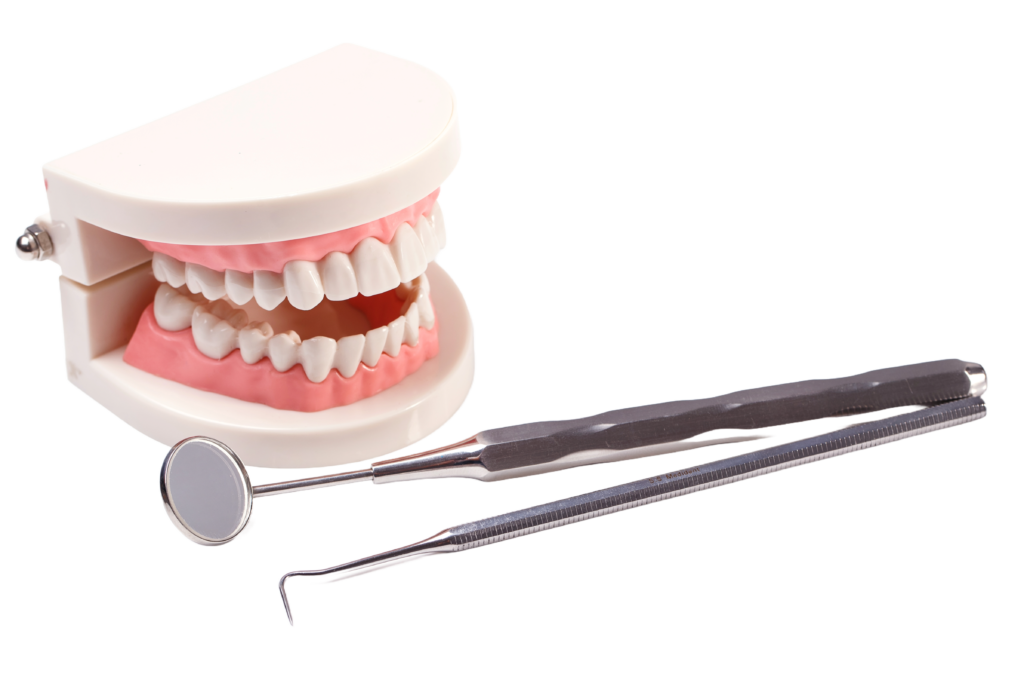
Let’s get to know about the Prosthodontics!
Prosthodontics is a specialized branch of dentistry that focuses on the diagnosis, treatment, and maintenance of oral function, comfort, and aesthetics through the use of prosthetic devices such as dentures, crowns, bridges, and implants.
Restorative Dentistry:
Restoring teeth to their natural shape, size, and function using crowns, bridges, and implants.
Denture Services:
Creating custom-fit dentures to replace missing teeth and restore oral function.
Implant Dentistry:
Placing and restoring dental implants to replace missing teeth.
Aesthetic Dentistry:
Enhancing the appearance of teeth and gums through veneers, bonding, and other cosmetic procedures.
Reconstructive Dentistry:
Rebuilding and restoring teeth and oral tissues damaged by trauma, decay, or disease.
Improved Oral Function:
Restoring teeth and oral tissues to their natural function.
Enhanced Aesthetics:
Improving the appearance of teeth and gums.
Boosted Confidence:
Restoring self-confidence and self-esteem through improved oral health and appearance.
Better Overall Health:
Restoring oral function and health can improve overall health and well-being.
Has Missing Teeth:
Can benefit from dentures, bridges, or implants.
Has Damaged or Decayed Teeth:
Can benefit from crowns, veneers, or bonding.
Wants to Improve Oral Aesthetics:
Can benefit from cosmetic procedures such as veneers or teeth whitening.
Needs Reconstructive Dentistry:
Can benefit from rebuilding and restoring teeth and oral tissues damaged by trauma, decay, or disease.
(FAQ’s) Frequently Asked Questions about the Prosthodontics
1. What is Prosthodontics? - A specialized branch of dentistry that focuses on restoring and replacing teeth using prosthetic devices. 2. What is a Prosthodontist? - A dentist who specializes in Prosthodontics and has received advanced training in restoring and replacing teeth. 3. What services do Prosthodontists offer? - Restorative dentistry, denture services, implant dentistry, aesthetic dentistry, and reconstructive dentistry. |
1. What is the process for getting dentures? - Impressions are taken, a bite record is created, and the dentures are custom-made and fitted. 2. How long does it take to get used to dentures? - It can take several weeks to get used to dentures, but with practice and patience, you'll become more comfortable. 3. What are dental implants? - Artificial tooth roots made of titanium that are surgically placed into the jawbone to support a crown or bridge. 4. How long do dental implants last? - With proper care, dental implants can last for 20-30 years or more. |
1. How much do Prosthodontic services cost? - Costs vary depending on the service, materials, and complexity of the case. 2. Are Prosthodontic services covered by insurance? - Some services may be covered, but coverage varies depending on the insurance provider and policy. 3. Do you offer financing options or payment plans? - Many Prosthodontists offer financing options or payment plans to help make treatment more affordable. |
1. How do I care for my dentures? - Clean them daily with soap and water and store them in a protective case when not in use. 2. How often should I visit my Prosthodontist for check-ups? - Regular check-ups are recommended to ensure the health and longevity of your prosthetic devices. 3. What can I do to extend the life of my dental implants? - Practice good oral hygiene, avoid smoking and tobacco products, and visit your Prosthodontist regularly for check-ups. |

Get to know about the Cosmetic Dentistry!
Cosmetic Dentistry is a branch of dentistry that focuses on improving the appearance of teeth and gums to enhance the overall aesthetic appeal of a person’s smile.
Teeth Whitening:
A process that uses bleaching agents to lighten the color of teeth.
Veneers:
Thin, custom-made shells that are bonded to the front of teeth to improve their appearance.
Bonding:
A procedure that uses tooth-colored resin to repair chipped or cracked teeth.
Crowns:
Custom-made caps that are placed over teeth to restore their shape, size, and appearance.
Bridges:
Custom-made appliances that are used to replace missing teeth.
Dental Implants:
Artificial tooth roots that are surgically placed into the jawbone to support crowns or bridges.
Gum Recontouring:
A procedure that reshapes the gum tissue to improve the appearance of teeth.
Smile Makeovers:
A comprehensive treatment plan that combines multiple cosmetic procedures to achieve a desired smile.
Initial Consultation:
The dentist will examine the teeth and gums to determine the best course of treatment.
Treatment Planning:
The dentist will create a customized treatment plan to achieve the desired results.
Procedure:
The dentist will perform the procedure, which may involve multiple appointments.
Follow-Up:
The dentist will schedule follow-up appointments to ensure the desired results are achieved.
Improved Self-Confidence:
A beautiful smile can boost self-confidence and self-esteem.
Enhanced Smile Aesthetics:
Cosmetic Dentistry can improve the appearance of teeth and gums.
Boosted Self-Esteem:
A beautiful smile can improve overall self-esteem and quality of life.
Improved Oral Function:
Cosmetic Dentistry can also improve the function of teeth and gums.
Increased Overall Satisfaction:
Patients who undergo Cosmetic Dentistry procedures often report increased satisfaction with their smile.
(FAQ’s) Frequently Asked Questions about the Cosmetic Dentistry
1. What is Cosmetic Dentistry? - A branch of dentistry that focuses on improving the appearance of teeth and gums. 2. What are the benefits of Cosmetic Dentistry? - Improved self-confidence, enhanced smile aesthetics, boosted self-esteem, improved oral function, and increased overall satisfaction. 3. Who can benefit from Cosmetic Dentistry? - Anyone who wants to improve the appearance of their smile. |
1. What are the different types of Cosmetic Dentistry treatments? - Teeth whitening, veneers, bonding, crowns, bridges, dental implants, gum recontouring, and smile makeovers. 2. How long do Cosmetic Dentistry treatments take? - Treatment time varies depending on the procedure, but most treatments can be completed within one to three appointments. 3. Are Cosmetic Dentistry treatments painful? - Most treatments are painless, but some may require local anesthesia to minimize discomfort. |
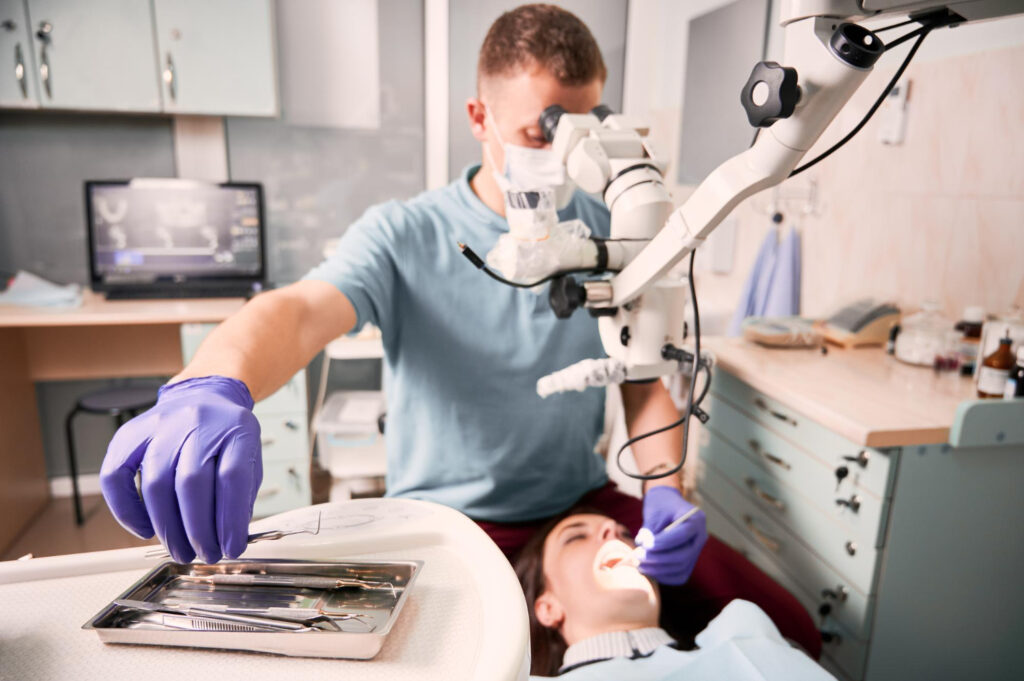
Let’s know about the Endodontics!
Endodontics is a specialized branch of dentistry that focuses on the diagnosis, treatment, and management of diseases and injuries affecting the dental pulp, which is the soft tissue inside the tooth
Endodontics includes a range of procedures, such as:
Root Canal Treatment:
Removing infected or damaged pulp tissue from the tooth.
Endodontic Retreatment:
Re-treating a tooth that has already had a root canal.
Apicoectomy:
Removing the tip of the tooth root to treat an infection.
Pulpotomy:
Removing infected pulp tissue from the crown of the tooth.
Dental Trauma:
Treating teeth that have been damaged due to trauma.
The benefits of Endodontics include:
Relieving Pain:
Endodontic treatment can help alleviate toothache pain.
Saving Teeth:
Endodontic treatment can help save teeth that would otherwise need to be extracted.
Preventing Infection:
Endodontic treatment can help prevent the spread of infection to other parts of the face and skull.
Restoring Oral Function:
Endodontic treatment can help restore the natural function of the tooth.
Anyone who:
Has a Toothache:
Experiencing pain or discomfort in a tooth.
Has a Cracked or Fractured Tooth:
Has a tooth that is cracked or fractured.
Has a Dental Abscess:
Has a pus-filled pocket that has formed in the gum tissue.
Needs a Root Canal:
Has been diagnosed with a need for root canal treatment.
(FAQ’s) Frequently Asked Questions about the Endodontics
1. What is Endodontics? - A specialized branch of dentistry that focuses on the diagnosis, treatment, and management of diseases and injuries affecting the dental pulp. 2. What is the goal of Endodontic treatment? - To relieve pain, save the tooth, and prevent infection. 3. Who is an Endodontist? - A dentist who specializes in Endodontics and has received advanced training in root canal treatment and other Endodontic procedures. |
1. What is a root canal? - A procedure that removes infected or damaged pulp tissue from the tooth. 2. Is a root canal painful? - Most patients experience little to no pain during the procedure. 3. How long does a root canal take? - Typically, 30-90 minutes, depending on the complexity of the case. 4. Do I need a crown after a root canal? - Yes, a crown is usually recommended to protect the tooth from further damage. |
1. How much does a root canal cost? - Costs vary depending on the location, complexity of the case, and insurance coverage. 2. Is Endodontic treatment covered by insurance? - Most insurance plans cover some or all of the cost of Endodontic treatment. 3. Do you offer financing options or payment plans? - Many Endodontists offer financing options or payment plans to help make treatment more affordable. |
1. What can I expect after a root canal? - Some sensitivity or discomfort, which can be managed with pain medication. 2. How long does it take to recover from a root canal? - Most patients can return to normal activities within a few days. 3. How do I care for my tooth after a root canal? - Practice good oral hygiene, avoid chewing or biting on the tooth, and follow any specific instructions provided by your Endodontist. |

Let’s get to know about the General Dentistry!
General Dentistry is the primary branch of dentistry that focuses on preventing, diagnosing, and treating various dental conditions to maintain optimal oral health.
Routine Check-ups and Cleanings:
Regular dental cleanings and exams to prevent oral diseases.
Fillings:
Restoring teeth damaged by decay or trauma.
Extractions:
Removing teeth that are damaged or decayed beyond repair.
Oral Cancer Screenings:
Early detection of oral cancer.
Gum Disease Treatment:
Managing and treating gum disease.
Sealants:
Applying protective coatings to prevent tooth decay.
Fluoride Treatments:
Strengthening tooth enamel with fluoride.
Dental X-rays:
Diagnostic imaging to detect oral health issues.
Preventing Oral Diseases:
Regular check-ups and cleanings can prevent oral diseases.
Maintaining Good Oral Health:
General Dentistry helps maintain optimal oral health.
Boosting Confidence:
A healthy, beautiful smile can boost self-confidence.
Preventing Systemic Diseases:
Research links gum disease to systemic diseases like diabetes and heart disease.
Saving Time and Money:
Preventive care can save time and money in the long run.
(FAQ’s) Frequently Asked Questions about the General Dentistry
1. What is General Dentistry? - A branch of dentistry that focuses on preventing, diagnosing, and treating various dental conditions. 2. What services do General Dentists provide? - Routine check-ups, cleanings, fillings, extractions, oral cancer screenings, and more. 3. How often should I visit a General Dentist? - Typically, every 6 months for routine check-ups and cleanings. |
1. What happens during a routine check-up? - Examination of teeth, gums, and mouth, plus a cleaning and possibly X-rays. 2. How long does a filling take? - Typically, 30-60 minutes, depending on the complexity of the case. 3. Do you offer sedation dentistry? - Many clinics offer sedation dentistry options, such as nitrous oxide or oral sedation. |
1. What if I have a dental emergency? - Contact the clinic or visit an emergency room if you have a severe dental emergency. 2. Do you offer urgent care appointments? - Many clinics offer urgent care appointments for unexpected dental issues. |
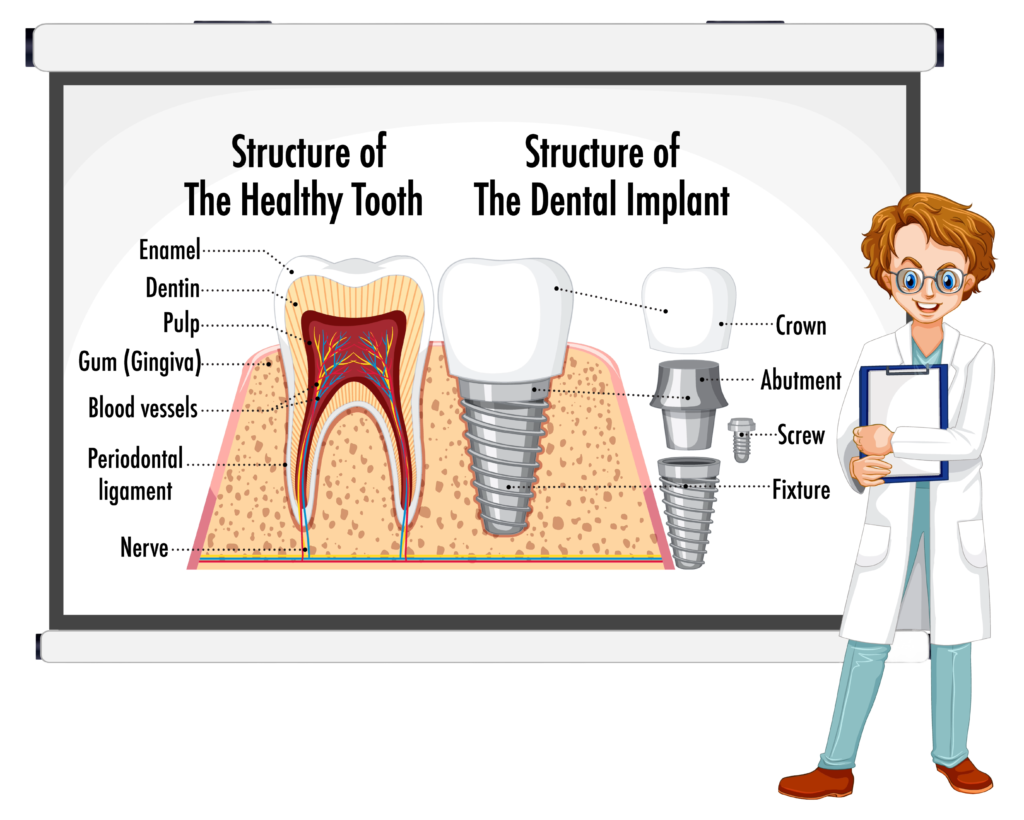
Get to know about the Implantology!
Implantology is a specialized branch of dentistry that focuses on the placement and restoration of dental implants. Dental implants are artificial tooth roots made of titanium or other materials that are surgically inserted into the jawbone to support a crown, bridge, or denture.
Implantology includes various procedures, such as:
Dental Implant Placement:
Surgically inserting the implant into the jawbone.
Bone Grafting:
Augmenting the jawbone to support the implant.
Sinus Lift:
Elevating the sinus membrane to make room for the implant.
Implant Restoration:
Attaching a crown, bridge, or denture to the implant.
Implant Maintenance:
Regular cleaning and check-ups to ensure the implant's longevity.
Improved Oral Function:
Dental implants restore chewing and speaking abilities.
Enhanced Aesthetics:
Implants support natural-looking crowns, bridges, or dentures.
Boosted Confidence:
A restored smile can improve self-esteem and overall quality of life.
Long-Term Solution:
Dental implants can last for decades with proper care.
Preservation of Jawbone:
Implants help maintain jawbone density and prevent resorption.
Anyone who:
Has Missing Teeth:
Due to decay, gum disease, injury, or congenital conditions.
Wears Dentures:
And wants a more stable and secure solution.
Has Unstable Teeth:
Due to gum disease, injury, or other factors.
Wants to Improve Oral Function:
And enhance the overall quality of life.
(FAQ’s) Frequently Asked Questions about the Implantology
1. What is Implantology? Implantology is a specialized branch of dentistry that focuses on the placement and restoration of dental implants.
2. What are dental implants? Dental implants are artificial tooth roots made of titanium or other materials that are surgically inserted into the jawbone to support a crown, bridge, or denture.
3. Who can benefit from Implantology? Anyone who has missing teeth, wears dentures, has unstable teeth, or wants to improve oral function and enhance the overall quality of life. |
1. What is the process of getting dental implants? The process typically involves a consultation, surgical placement of the implant, and restoration with a crown, bridge, or denture.
2. How long does the implant procedure take? The procedure can take anywhere from 30 minutes to several hours, depending on the complexity of the case.
3. Is the implant procedure painful? Most patients experience minimal discomfort during the procedure, and anesthesia is used to ensure comfort. |
1. How do I care for my dental implants? Regular brushing, flossing, and dental check-ups are essential to maintain the health and longevity of the implant.
2. How long do dental implants last? With proper care, dental implants can last for decades. |
1. What are the risks and complications of dental implants? As with any surgical procedure, there are risks of infection, bleeding, and nerve damage. |
1. Can anyone get dental implants? Most people are eligible for dental implants, but certain medical conditions or lack of sufficient bone density may affect eligibility.
2. How do I find an Implantologist? You can search online, ask for referrals from friends or family, or check with your local dental society for recommendations. |
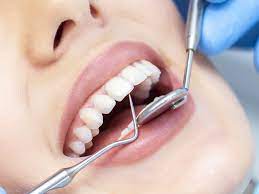
Let’s know about the CONSERVATIVE DENTISTRY!
Conservative Dentistry is a dental treatment approach that focuses on preserving as much of the natural tooth structure as possible. It involves using minimally invasive techniques and procedures to diagnose, treat, and manage dental problems, while minimizing the removal of healthy tooth tissue.
In the ever-evolving dental industry, Conservative Dentistry has emerged as a pioneering approach that prioritizes the preservation of natural tooth structure. This patient-centric philosophy focuses on minimizing invasive treatments, promoting preventive care, and utilizing advanced technologies to deliver effective, pain-free solutions.
Conservative Dentistry represents a significant shift from traditional dental practices, which often relied on more invasive methods. By adopting a conservative approach, dental professionals can help patients maintain optimal oral health, reduce the risk of complications, and preserve the natural beauty of their smiles.
The benefits of Conservative Dentistry include:
Preservation of Natural Tooth Structure:
Minimally invasive treatments help preserve the natural integrity of teeth, reducing the risk of future problems.
Reduced Risk of Complications:
Conservative approaches minimize the risk of complications, such as tooth sensitivity, nerve damage, or infection.
Less Pain and Discomfort:
Gentle, minimally invasive treatments reduce pain and discomfort, making dental care more comfortable and stress-free.
Cost-Effective:
Conservative Dentistry can be more cost-effective in the long run, as it reduces the need for extensive repairs or replacements.
Improved Aesthetics:
Conservative approaches often result in more natural-looking and feeling restorations, preserving the beauty of your smile.
Enhanced Oral Health:
Conservative Dentistry emphasizes preventive care, helping patients maintain optimal oral health and reducing the risk of future problems.
Increased Patient Confidence:
By preserving natural tooth structure and minimizing invasive treatments, Conservative Dentistry can boost patient confidence in their smiles
Reduced Need for Future Repairs:
Conservative approaches can reduce the need for future repairs or replacements, saving patients time, money, and stress.
Promotes Long-Term Oral Health:
Conservative Dentistry focuses on promoting long-term oral health, rather than just treating immediate problems.
Patient-Centric Approach:
Conservative Dentistry prioritizes patient comfort, concerns, and goals, delivering personalized care that meets individual needs.
Minimally Invasive Treatments:
Using advanced technologies and techniques to minimize tissue removal and preserve natural tooth structure.
Preventive Care:
Emphasizing regular cleanings, fluoride treatments, and patient education to prevent dental problems.
Patient-Centric Approach:
Prioritizing patient comfort, concerns, and goals to deliver personalized care.
Collaborative Care:
Working with patients to develop tailored treatment plans that address their unique needs.
(FAQ’s) Frequently Asked Questions about the Conservative Dentistry
Conservative Dentistry is a dental treatment approach that focuses on preserving as much of the natural tooth structure as possible. It involves using minimally invasive techniques and procedures to diagnose, treat, and manage dental problems.
The benefits of Conservative Dentistry include preserving natural tooth structure, minimizing the risk of complications, reducing the need for extensive repairs or replacements, promoting long-term oral health, and improving aesthetics and patient confidence.
Conservative Dentistry treatments may include minimally invasive fillings and restorations, inlays and onlays, air abrasion, microdentistry, and preventive care and patient education.
Not always. While some Conservative Dentistry treatments may require specialized equipment or expertise, they can also help reduce the need for more extensive and costly treatments in the long run.
By choosing Conservative Dentistry, you can benefit from a more comfortable, effective, and sustainable approach to oral health care. Our team will work with you to develop a personalized treatment plan that meets your unique needs and goals.
During a Conservative Dentistry appointment, you can expect a thorough examination and diagnosis, followed by a discussion of treatment options and a personalized treatment plan. Our team will answer any questions you may have and ensure that you are comfortable and informed throughout the process.