
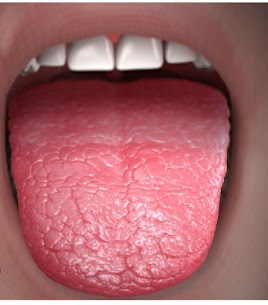
Dry Mouth: Common Causes and Practical Care
Dry mouth occurs when there is not enough saliva to keep the mouth comfortable. It can affect speaking, eating and swallowing, and increase the risk of decay and oral infection.
Why the mouth feels dry
Dehydration, mouth breathing and many medicines can contribute. Some medical conditions and treatments also reduce saliva. Tell your dentist and doctor about persistent symptoms and your medicines; do not stop a prescription without advice.
Ways to improve comfort
Sip plain water regularly. Sugar-free chewing gum may stimulate saliva if chewing is comfortable and safe for you. Avoid tobacco and frequent sugary or acidic sweets and drinks. Ask whether a saliva substitute or other product is suitable. Alcohol-containing rinses may irritate a dry mouth.
Protect your teeth and get assessed
Keep up gentle brushing with fluoride toothpaste and cleaning between teeth. Your dentist may recommend extra preventive care based on your decay risk. Arrange assessment if dryness persists, eating becomes difficult, or you develop sores. Difficulty swallowing or breathing needs urgent medical attention.
Contact Samarth Dental Clinic in Hinjawadi for oral assessment and tailored preventive dental care.