
Children’s Dentistry in Hinjawadi, Pune
Children’s dentistry in Hinjawadi supports healthy teeth, comfortable dental visits, and age-appropriate prevention from infancy through adolescence. At Samarth Dental Clinic, every child is examined individually so advice and treatment match their age, cooperation, tooth development, medical history, and specific dental needs.
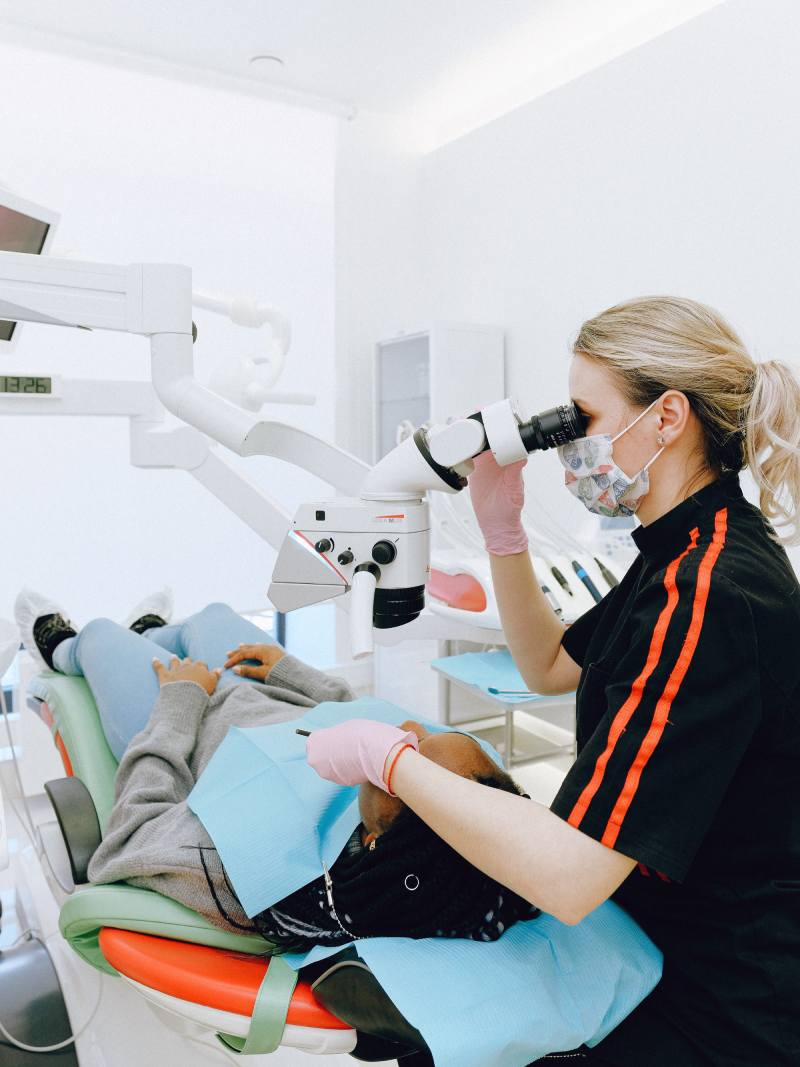
Families from Hinjawadi, Hinjewadi, Wakad, Maan, Marunji, and nearby areas can visit us for preventive check-ups, tooth decay, dental pain, broken teeth, fluoride advice, sealants, habit assessment, and monitoring of tooth eruption and alignment. Our approach aims to build trust gradually while helping parents make informed decisions.
Table of Contents
Why Are Children’s Dental Visits Important?
Primary teeth help children chew, speak, smile, and maintain space for developing permanent teeth. Although they eventually fall out, untreated decay or infection can cause pain, disturbed sleep, difficulty eating, school absence, and premature tooth loss. Early visits also allow the dentist to identify developmental concerns and guide parents before problems become urgent.
Children’s oral health changes quickly. Diet, brushing, fluoride exposure, mouth breathing, habits, crowded teeth, sports, and medical conditions can alter risk. Regular assessment is therefore based on the child’s individual needs rather than a fixed schedule for every family.
When Should a Child First Visit the Dentist?
A first dental visit is commonly advised when the first tooth appears or by the first birthday. Early visits are usually brief and preventive. The dentist checks tooth development, discusses feeding and brushing, identifies risk factors, and helps the child become familiar with the clinic.
If an older child has never visited, there is no need to delay because of age or embarrassment. A calm introductory appointment can establish the current condition and create a practical plan. Children with pain, swelling, injury, fever, or difficulty eating should be assessed promptly.
Children’s Dental Services Available
Dental Check-ups and Risk Assessment
The dentist examines the teeth, gums, bite, eruption pattern, oral hygiene, and soft tissues. The visit may also include discussion of diet, brushing, fluoride, habits, sports protection, previous dental experiences, and relevant medical history. Dental X-rays are advised only when they are expected to provide useful diagnostic information.
Professional Cleaning
When plaque, tartar, or stains are present, gentle cleaning may be advised. The procedure is adapted to the child’s age and cooperation. Parents can also learn more about dental cleaning in Hinjawadi and why home brushing remains essential after professional care.
Fluoride Guidance
Fluoride can strengthen enamel and reduce decay risk when used appropriately. Recommendations depend on age, cavity history, drinking water, toothpaste use, swallowing ability, and overall risk. Parents should supervise brushing and use the amount of toothpaste recommended for the child’s age.
Pit and Fissure Sealants
Sealants are protective coatings placed in deep grooves of suitable back teeth. They can reduce plaque retention in areas that are difficult to clean, but they do not replace brushing, fluoride, diet control, or regular review. Teeth must be assessed for eruption, moisture control, and existing decay before application.
Tooth-coloured Fillings
Small or moderate cavities may be restored with an appropriate filling material after the decayed tissue is removed. Material selection depends on the tooth, cavity size, moisture control, bite, expected lifespan of the primary tooth, and the child’s cooperation.
Pulp Therapy and Crowns for Primary Teeth
When decay reaches or approaches the pulp, a child may need pulp therapy to treat the inflamed or infected tissue. A crown may be advised when a primary tooth is extensively weakened. The choice depends on symptoms, examination, X-rays, remaining tooth structure, root development, and the tooth’s importance for function and space maintenance.
Space Maintainers
If a primary tooth is lost earlier than expected, neighbouring teeth can move into the space. A space maintainer may be considered in selected cases to preserve room for the permanent tooth. Not every early tooth loss requires one; the dentist evaluates the child’s age, tooth position, eruption stage, bite, and ability to maintain the appliance.
Dental Trauma Care
Falls and sports injuries can chip, loosen, displace, or knock out teeth. The correct response differs for primary and permanent teeth. A knocked-out primary tooth should not be replanted. A knocked-out permanent tooth is time-sensitive and needs urgent professional advice. Bring the child for assessment after a significant injury even when the tooth initially looks normal.
Habit and Growth Assessment
Thumb sucking, finger habits, prolonged pacifier use, tongue posture, mouth breathing, and abnormal swallowing patterns can influence teeth and jaw development. Many habits reduce naturally with age, while persistent habits may need counselling or coordinated assessment. Treatment is personalised rather than based only on the presence of a habit.
Orthodontic Monitoring
Monitoring eruption, crowding, crossbites, prominent teeth, and jaw growth can help determine whether observation or orthodontic assessment is appropriate. Not every irregularity needs early treatment. When required, families can learn about braces and aligners in Hinjawadi.
How We Help Children Feel Comfortable
A child’s behaviour can change with age, tiredness, pain, previous experiences, and the complexity of treatment. We use simple explanations, gradual familiarisation, and positive guidance suited to the child’s developmental level. A short successful visit may sometimes be more valuable than attempting too much at once.
Parents can help by using neutral, reassuring language. Avoid promising that nothing will be felt or using frightening words before the visit. Tell the dentist about previous difficult experiences, sensory sensitivities, developmental needs, or medical conditions so the appointment can be planned appropriately.
Preventing Tooth Decay in Children
Brushing
Brush twice daily with a soft toothbrush and age-appropriate fluoride toothpaste. Young children need active help, and older children often benefit from supervision until they can clean all surfaces reliably. Replace the toothbrush when bristles become worn or after certain illnesses when advised.
Cleaning Between Teeth
Flossing or another interdental method becomes important where neighbouring teeth touch and a toothbrush cannot reach. The dentist can demonstrate a suitable technique and advise whether a floss holder or another aid would be easier.
Diet and Drink Frequency
Decay risk is affected not only by the amount of sugar but also by how frequently teeth are exposed. Repeated sweet snacks, sticky foods, sweetened drinks, and sipping from bottles over long periods can increase risk. Encourage regular meals, water between meals, and age-appropriate nutritious snacks.
Night-time Feeding
Frequent night-time feeding after teeth erupt can increase decay risk, especially when teeth are not cleaned afterwards. Feeding decisions should consider the child’s age, nutritional needs, and medical advice. The dentist can offer practical oral-care guidance without replacing paediatric or breastfeeding advice.
Regular Risk-based Reviews
Children with previous cavities, weak enamel, orthodontic appliances, dry mouth, medical conditions, or ineffective brushing may need more frequent monitoring. Children at lower risk may need a different interval. The dentist recommends reviews based on current findings.
Common Signs a Child Needs Dental Assessment
- Tooth pain or sensitivity
- Visible holes, dark spots, or broken teeth
- Swelling of the gum or face
- Bleeding gums or persistent bad breath
- Difficulty chewing or avoiding one side
- Pain that disturbs sleep
- A tooth that is loose earlier than expected
- Delayed or unusual tooth eruption
- White, yellow, or brown enamel changes
- Injury to the mouth or teeth
Children may not always describe pain accurately. Changes in eating, sleep, mood, school concentration, or reluctance to brush can be clues. Swelling, fever, difficulty swallowing, breathing problems, or rapidly increasing pain requires prompt medical or dental attention.
Dental X-rays for Children
X-rays are not taken automatically at every visit. They may be recommended to detect decay between teeth, assess developing teeth, investigate pain or trauma, evaluate infection, or plan treatment. The decision considers the child’s symptoms, clinical findings, age, risk, and whether the result is likely to change care.
Modern dental imaging uses controlled exposure. Protective measures and the smallest useful field are selected according to clinical need. Parents are encouraged to ask why an X-ray is recommended and how it will guide treatment.
Dental Emergencies in Children
Contact the clinic promptly for facial swelling, severe toothache, uncontrolled bleeding, a broken tooth with pain, or a displaced permanent tooth. For a knocked-out permanent tooth, handle it by the crown rather than the root. If it is clean and the child is cooperative, immediate replantation may be considered, or the tooth can be stored in an appropriate medium while seeking urgent care. Never replant a primary tooth.
If the child has a head injury, loss of consciousness, vomiting, breathing difficulty, uncontrolled bleeding, or another medical emergency, seek emergency medical care first.
For guidance about urgent dental problems and how to contact the clinic, see our emergency dental care in Hinjawadi page.
Children’s Dentistry in Hinjawadi for Different Ages
Babies and Toddlers
Visits focus on eruption, feeding, brushing, fluoride, early decay prevention, trauma prevention, and helping parents establish routines.
Preschool and Primary-school Children
Care includes monitoring primary teeth, treating decay when needed, sealant and fluoride assessment, habit guidance, and preparation for permanent teeth.
Teenagers
Adolescents may need support with orthodontic hygiene, sports protection, diet, wisdom-tooth monitoring, gum health, and independent self-care. Privacy and respectful communication become increasingly important.
How Much Does Children’s Dental Treatment Cost?
The cost depends on the examination findings, treatment type, number of teeth, materials, X-rays, behaviour-management needs, and whether care is preventive, restorative, or urgent. Children’s dentistry in Hinjawadi can range from a preventive visit to staged treatment for several teeth.
An estimate is provided after assessment. Parents should receive an explanation of the diagnosis, urgency, alternatives, expected lifespan of treatment, and follow-up needs before proceeding.
Why Choose Samarth Dental Clinic?
Children’s dentistry in Hinjawadi at Samarth Dental Clinic focuses on prevention, careful diagnosis, child-appropriate communication, and practical guidance for parents. We aim to preserve healthy tooth structure and recommend treatment according to clinical need.
- Age-appropriate examinations and explanations
- Preventive guidance for brushing, fluoride, and diet
- Gentle familiarisation for anxious children
- Treatment planning based on tooth development and cooperation
- Monitoring of eruption, habits, and alignment
- Clear discussion of benefits, limitations, costs, and follow-up
- Convenient family dental care in Hinjawadi
Review our complete dental services in Hinjawadi or contact us to plan your child’s visit.
Frequently Asked Questions About Children’s Dentistry
At what age should brushing begin?
Begin cleaning when the first tooth erupts. Use a soft brush and an age-appropriate amount of fluoride toothpaste, with active parental help and supervision.
Do cavities in baby teeth need treatment?
Often yes, depending on the tooth, depth of decay, symptoms, age, eruption stage, and expected time before natural loss. Untreated decay can cause pain or infection and may affect eating, sleep, and space for permanent teeth.
How often should my child visit the dentist?
The interval depends on cavity risk, previous treatment, oral hygiene, diet, fluoride exposure, development, and cooperation. The dentist recommends a personalised recall schedule.
Are dental sealants safe for children?
Sealants are widely used protective coatings for suitable grooves. The dentist evaluates the tooth and explains the material, benefits, limitations, and need for review before treatment.
What should I do if my child is afraid?
Choose a calm introductory visit when possible, use neutral language, and avoid sharing frightening stories. Tell the dentist about previous experiences or sensory needs so care can be paced appropriately.
Is thumb sucking harmful?
Many young children stop naturally. Persistent or forceful habits can influence tooth position and jaw development, especially as permanent teeth erupt. Assessment helps determine whether monitoring or intervention is appropriate.
Can children receive dental treatment during illness?
It depends on the illness, symptoms, treatment urgency, and medical condition. Inform the clinic about fever, cough, contagious illness, medicines, allergies, or medical advice so the appointment can be planned safely.
Book a Children’s Dental Appointment in Hinjawadi
If your child is due for a first visit, has tooth pain, visible decay, an injury, or needs preventive guidance, book an assessment for children’s dentistry in Hinjawadi. We will examine the child, explain the findings, and discuss suitable next steps with the parent or guardian.
Book an appointment on WhatsApp or contact Samarth Dental Clinic.