
Gum Treatment in Hinjawadi, Pune
Gum treatment in Hinjawadi can help control bleeding, swelling, tenderness, bad breath, gum recession, and damage to the tissues that support the teeth. At Samarth Dental Clinic, treatment begins with an examination to identify whether the problem is early gingivitis, periodontitis, a local irritation, or another condition requiring a different approach.
If your gums bleed during brushing or flossing, an assessment can determine whether you need bleeding gums treatment in Hinjawadi for gingivitis, tartar buildup, periodontitis or another cause.
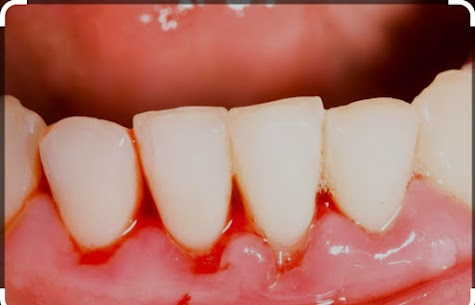
Patients from Hinjawadi, Hinjewadi, Wakad, Maan, Marunji, and nearby areas can consult us for bleeding gums, professional cleaning, scaling and root planing, periodontal maintenance, and assessment of loose teeth or receding gums. Early care is important because gum disease may progress with limited pain until significant support has been affected.
What Is Gum Disease?
Gum disease is inflammation or infection affecting the tissues around the teeth. Dental plaque contains bacteria that accumulate along the gum line. If plaque is not removed effectively, it can irritate the gums and harden into tartar. Tartar creates a rough surface that retains more plaque and generally requires professional removal.
Gum disease is broadly described in two stages:
Gingivitis
Gingivitis is early gum inflammation. The gums may look red or swollen and may bleed during brushing or flossing. The supporting bone is not yet lost because of the disease. With professional cleaning and effective daily plaque control, gingivitis can often be brought under control.
Periodontitis
Periodontitis is a more advanced condition in which inflammation affects the attachment and bone supporting the teeth. Periodontal pockets may form, gums may recede, and teeth can become mobile as support is lost. Treatment can control the disease and reduce further damage, but lost support does not automatically return after routine cleaning.
Signs You May Need Gum Treatment
Arrange a dental assessment if you notice:
- Bleeding while brushing, flossing, or eating
- Red, swollen, tender, or shiny gums
- Persistent bad breath or an unpleasant taste
- Gums pulling away from the teeth
- Teeth appearing longer because of recession
- Spaces developing between teeth
- Pus or discharge near the gum line
- Loose teeth or a change in the bite
- Discomfort while chewing
- Repeated swelling around a tooth or implant
Gum disease is not the only cause of bleeding or swelling. Trauma from brushing, food impaction, medication effects, ulcers, dental infection, hormonal changes, and medical conditions may contribute. Diagnosis is therefore more useful than treating every case as a simple cleaning problem.
What Causes Gum Disease?
Bacterial plaque is the main initiating factor, but the severity and progression of gum disease are influenced by several risks. These can include ineffective oral hygiene, smoking or tobacco use, diabetes, genetic susceptibility, dry mouth, crowded teeth, plaque-retentive restorations, stress, hormonal changes, and irregular professional care.
Some medicines or health conditions may change gum appearance or affect healing. Tell the dentist about your medical history, current medicines, pregnancy, allergies, tobacco use, and any recent changes in general health. Gum treatment may need coordination with your physician when systemic risk factors are significant.
How We Assess Gum Health
A consultation for gum treatment in Hinjawadi helps establish the extent of inflammation and the most appropriate level of care.
Clinical Examination
The dentist checks gum colour, contour, swelling, bleeding, recession, deposits, tooth mobility, bite, and plaque-retentive areas. Existing fillings, crowns, bridges, implants, and orthodontic appliances are also assessed because their contours and cleaning access can affect gum health.
Periodontal Measurements
A periodontal probe may be used to measure the space between the tooth and gum. Pocket depth, bleeding, recession, and attachment levels help distinguish superficial inflammation from deeper periodontal involvement. Measurements also provide a baseline for monitoring response to treatment.
Dental X-rays
X-rays may be advised when the dentist needs to assess bone support, hidden deposits, tooth roots, or other conditions. They are not required for every episode of minor gum irritation, but they can be important when periodontitis, mobility, or localised bone loss is suspected.
Options for Gum Treatment in Hinjawadi
Professional Scaling and Polishing
For plaque, tartar, and gingivitis, professional scaling removes deposits from accessible tooth surfaces and around the gum line. Polishing may help remove selected external stains. Learn more about dental cleaning in Hinjawadi and how it differs from deeper periodontal treatment.
Scaling and Root Planing
When deposits and inflammation extend below the gum line, scaling and root planing may be recommended for selected areas. The root surfaces are carefully debrided to reduce bacterial deposits and help the gum tissues heal. Treatment may be completed in sections, and local anaesthesia may be used when appropriate for comfort.
Oral-Hygiene Coaching
Daily plaque control is essential for maintaining any professional treatment result. Advice may include toothbrush selection, brushing technique, interdental brushes, floss, water-flossing, or cleaning around bridges, implants, and braces. The most suitable aid depends on the spaces between teeth, gum recession, dexterity, and dental work present.
Management of Contributing Factors
Overhanging or poorly contoured restorations, food traps, crowded areas, dry mouth, smoking, and uncontrolled diabetes can make gum disease harder to control. The dentist may recommend correction of local factors or medical coordination when these would materially improve the outcome.
Periodontal Surgery
Surgical treatment may be considered when deep pockets, difficult anatomy, gum recession, or defects remain after initial therapy. Depending on the diagnosis, procedures may aim to improve access for cleaning, reshape tissues, cover selected exposed roots, or regenerate supporting structures in suitable cases. Surgery is not required for every patient and is considered only after examination and initial disease control.
Periodontal Maintenance
Patients treated for periodontitis usually require continuing maintenance rather than assuming the disease is permanently cured. Reviews may include gum measurements, removal of new deposits, reinforcement of home care, and monitoring of teeth, implants, and risk factors. The interval is personalised according to disease severity and response.
Does Gum Treatment Hurt?
Routine scaling often causes pressure, vibration, or temporary sensitivity rather than significant pain. Inflamed gums, deep deposits, exposed roots, or advanced disease can make treatment more sensitive. The dentist can adjust the technique, divide treatment into shorter visits, or use local anaesthesia for deeper procedures when clinically appropriate.
Mild tenderness, bleeding, or temperature sensitivity may occur for a short period after treatment. Contact the clinic if pain, swelling, discharge, fever, or another unexpected symptom develops or persists.
Can Receding Gums Grow Back?
Inflamed swollen gums may shrink to a healthier contour after plaque and tartar are controlled, which can make existing recession more visible. Gum tissue that has receded does not usually grow back simply through brushing or routine scaling. The cause, amount of recession, root sensitivity, tooth position, gum thickness, and brushing habits need assessment.
Some recession can be monitored with preventive measures, while selected cases may benefit from desensitising care, restorative treatment, orthodontic planning, or gum-grafting procedures. Not every exposed root requires surgery.
Can Loose Teeth Be Saved?
The outlook depends on the cause and remaining support. Mobility may relate to gum and bone loss, bite forces, infection, trauma, or other factors. Treatment can sometimes stabilise teeth when disease is controlled and sufficient support remains, but severely compromised teeth may have a poor prognosis.
An honest assessment should consider long-term cleanability, bone support, symptoms, neighbouring teeth, and the patient’s overall treatment goals before recommending retention or removal.
Gum Health Around Implants, Crowns, and Braces
Implants cannot develop tooth decay, but the surrounding tissues can become inflamed and lose support. Bleeding, swelling, discharge, or bone changes around an implant require assessment. Patients with dental implants in Hinjawadi should maintain careful daily cleaning and professional reviews.
Crown and bridge margins can retain plaque if cleaning access is poor, while braces create additional areas around brackets and wires. Patients receiving braces or aligners in Hinjawadi may need modified cleaning techniques and closer gum monitoring.
Gum Disease and General Health
Gum health and general health can influence each other. Diabetes may increase periodontal risk and impair healing when poorly controlled, while smoking can mask bleeding and reduce treatment response. Pregnancy can alter the gum response to plaque. These associations do not mean gum treatment cures systemic disease, but they make coordinated preventive care important.
Continue prescribed medical treatment and inform both your dentist and physician about relevant conditions. Do not stop medicines because of gum symptoms without medical advice.
Gum Treatment in Hinjawadi: Maintaining Healthy Gums
- Brush twice daily with a soft-bristled toothbrush and appropriate technique
- Clean between teeth using the method recommended for your spaces
- Clean carefully around crowns, bridges, braces, and implants
- Avoid smoking and tobacco exposure
- Manage diabetes and other health conditions with medical guidance
- Attend personalised periodontal maintenance visits
- Report renewed bleeding, swelling, mobility, or discharge promptly
Mouthwash can support selected treatment plans, but it does not replace mechanical plaque removal. Long-term antiseptic use should be based on professional advice because some products can cause staining, taste changes, or irritation.
How Much Does Gum Treatment Cost in Hinjawadi?
The cost depends on whether the condition is gingivitis or periodontitis, the number of affected areas, deposit levels, X-rays, anaesthesia, number of visits, and whether surgical treatment is required. Gum treatment in Hinjawadi can range from routine scaling for early inflammation to staged periodontal therapy and maintenance.
A written estimate can be provided after diagnosis. The dentist should explain which treatment is necessary for disease control, which options are elective, and what maintenance is likely to be required.
Why Choose Samarth Dental Clinic?
Gum treatment in Hinjawadi at Samarth Dental Clinic is based on diagnosis, disease severity, patient comfort, and long-term maintenance. The aim is to control inflammation, preserve teeth where reasonably possible, and make daily cleaning more effective.
- Detailed assessment of gums, deposits, recession, and tooth support
- Routine cleaning distinguished from periodontal treatment
- Comfort-focused scaling and root planing
- Practical home-care guidance
- Monitoring around implants and dental restorations
- Clear explanation of prognosis, alternatives, and maintenance
- Convenient care for patients from Hinjawadi and nearby areas
Explore our complete dental services in Hinjawadi or contact us for an individual gum assessment.
Gum Treatment in Hinjawadi: Frequently Asked Questions
Why do my gums bleed when I brush?
Plaque-related inflammation is a common cause, but brushing trauma, food impaction, medicines, hormonal changes, and medical conditions may also contribute. Persistent bleeding should be assessed rather than avoided by stopping brushing.
Can gum disease be cured permanently?
Gingivitis can often resolve with effective plaque control and professional care. Periodontitis can usually be controlled, but patients remain susceptible and need ongoing home care and maintenance to reduce recurrence or progression.
Is gum treatment the same as dental cleaning?
Not always. Routine cleaning removes accessible deposits and may manage gingivitis. Periodontitis may require deeper instrumentation, periodontal measurements, staged treatment, and continuing maintenance.
Will treatment stop bad breath?
It may improve odour caused by plaque, tartar, or gum inflammation. Bad breath can also arise from tongue coating, dry mouth, dental infection, tobacco, diet, or medical causes, so persistent symptoms require broader assessment.
How long does gum treatment take?
A routine cleaning may be completed in one visit, while deeper periodontal treatment may require multiple appointments and a later review. The schedule depends on the extent of disease, sensitivity, and response to initial care.
Can gum disease affect dental implants?
Yes. Inflammation around implants can progress and affect supporting bone. Bleeding, swelling, discharge, or changes around an implant should be examined promptly.
How often will I need maintenance?
The interval depends on previous disease severity, current pocket depths, smoking, diabetes, plaque control, and treatment response. Some patients need shorter intervals than the usual routine dental recall.
Book Gum Treatment in Hinjawadi
If you have bleeding gums, swelling, recession, bad breath, loose teeth, or are concerned about gum health, book an assessment for gum treatment in Hinjawadi. Early diagnosis can help identify the cause and determine whether cleaning, deeper periodontal therapy, or another approach is appropriate.
Book an appointment on WhatsApp or contact Samarth Dental Clinic.