
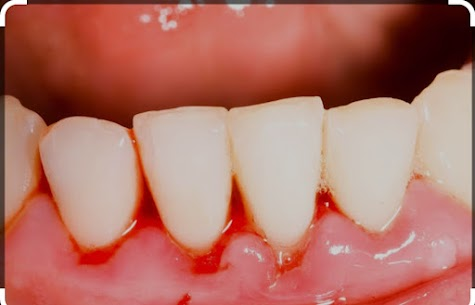
Bleeding Gums: Causes, Care and When to See a Dentist
Bleeding when you brush or clean between your teeth can be a sign of gum inflammation. Plaque buildup is a common cause, but an examination is needed to identify the reason. Persistent bleeding should not be treated as normal.
What can cause bleeding gums?
Gingivitis, periodontitis, brushing too forcefully and poorly fitting dental appliances can contribute. Some medicines and health conditions also affect bleeding. Tell your dentist about your medical history and medicines; do not stop prescribed medicines on your own.
What to do at home
Use a soft toothbrush and fluoride toothpaste twice daily. Clean gently between the teeth each day with floss or an appropriate interdental brush. Continue gentle cleaning rather than avoiding the area. Do not scrub the gums or apply homemade peroxide mixtures, turmeric paste or other concentrated remedies.
How a dentist can help
A dentist checks plaque, tartar, gum pockets and the support around the teeth. Treatment may include professional cleaning, tailored home-care advice or periodontal treatment when deeper disease is present. Mouthwash and antibiotics are not substitutes for assessment and are used only when appropriate.
When to arrange care
Book a dental assessment if bleeding persists, recurs, or comes with swelling, bad breath, gum recession or loose teeth. Seek urgent care for heavy bleeding that does not stop, rapidly increasing swelling, fever, or difficulty swallowing or breathing.
For a gum assessment in Hinjawadi, contact Samarth Dental Clinic and explore our dental services. Treatment depends on your examination.