
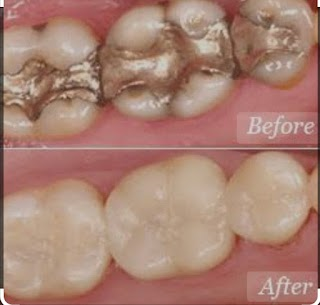
Composite Fillings: Benefits, Limits and Aftercare
A composite filling uses tooth-coloured resin to restore a tooth affected by decay or a small fracture. It can provide a natural-looking restoration, but the choice of material depends on the tooth and the size of the damaged area.
How a composite filling is placed
The dentist assesses the tooth, removes decay where needed, prepares the surface and bonds the material in layers. A curing light hardens the resin. The filling is then shaped and the bite checked. Keeping the area dry during placement is important.
What affects its lifespan?
Fillings do not last a guaranteed number of years. Size, location, biting forces, grinding, oral hygiene and new decay all matter. A large or weakened tooth may need another type of restoration. Composite can stain, chip or wear and may need repair or replacement.
Looking after your filling
Clean the tooth and between adjacent teeth every day. Follow advice about anaesthesia and eating after treatment. Contact the dentist if the bite feels high, pain worsens, or sensitivity does not settle.
Ask Samarth Dental Clinic in Hinjawadi about a tooth assessment and our restorative dental services.