
Toothache Relief in Hinjawadi, Pune
Tooth pain is a symptom, not a diagnosis. Samarth Dental Clinic provides toothache relief in Hinjawadi, Pune by identifying the cause and recommending appropriate treatment. Whether the pain is sharp, throbbing, constant or triggered by hot, cold or chewing, an examination can help determine what is happening inside the tooth and surrounding tissues.
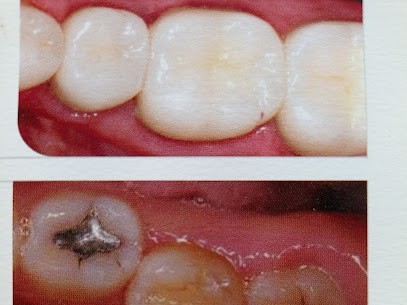
Call before visiting if the pain is severe, keeps you awake, is accompanied by swelling or fever, or started after an injury. Call +91 91753 68882 or message Samarth Dental Clinic on WhatsApp to request an appointment based on availability.
Table of Contents
When Should You See a Dentist for Toothache?
Arrange a dental assessment when tooth pain lasts, repeatedly returns, becomes more intense, causes pain on biting, or is associated with a cavity, broken tooth, swollen gum or bad taste. Early assessment may make treatment more straightforward and can reduce the risk of the problem progressing.
Seek urgent dental care for increasing facial swelling, severe pain with fever, uncontrolled bleeding, or a knocked-out or displaced tooth. Go to a hospital emergency department immediately if swelling affects breathing or swallowing, bleeding will not stop, or there is major facial or head trauma. Our emergency dental care in Hinjawadi page explains what to do in urgent situations.
Common Causes of Tooth Pain
Dental Decay and Cavities
Decay can gradually damage enamel and dentine. Early cavities may cause sensitivity to sweet, cold or hot foods. Deeper decay can irritate the dental pulp and lead to persistent or spontaneous pain. A small cavity may be restored with a filling, while advanced involvement may require root canal treatment or extraction depending on restorability.
Inflamed or Infected Dental Pulp
The pulp contains the tooth’s nerves and blood supply. Deep decay, cracks, repeated dental procedures or trauma can inflame it. Pain may linger after temperature changes, occur without a trigger, worsen at night or radiate to the jaw, ear or nearby teeth. When the pulp cannot recover, root canal treatment in Hinjawadi may be considered to retain the tooth.
Cracked, Chipped or Broken Tooth
A crack may cause a sharp pain when biting or when pressure is released. Symptoms can be intermittent, so the tooth may require careful examination and testing. Treatment depends on the location and depth of the crack and may involve bonding, a filling, a crown, root canal treatment or removal if the tooth cannot be predictably restored.
Gum Disease or Localised Gum Infection
Inflamed gums, food trapped between teeth, periodontal infection or a gum abscess can cause tenderness, bleeding, swelling and pain while chewing. Treatment is directed at the gum or supporting tissues rather than automatically treating the tooth nerve. Learn more about gum treatment in Hinjawadi.
Wisdom Tooth Pain
A partly erupted or impacted wisdom tooth may cause pain at the back of the jaw, swollen gum, bad taste or difficulty opening the mouth. Recurrent inflammation needs evaluation. Visit our wisdom tooth removal page for more information.
Loose, Damaged or High Filling or Crown
A restoration can become loose, fracture or interfere with the bite. Pain may occur while chewing or when the tooth is exposed to temperature changes. The dentist will assess both the restoration and the underlying tooth before deciding whether adjustment, repair or replacement is suitable. See dental crowns and bridges.
Tooth Grinding, Clenching or Bite-Related Pain
Clenching and grinding can overload teeth, fillings, jaw muscles and the jaw joints. Patients may notice morning jaw soreness, generalised tooth sensitivity, flattened tooth surfaces or small fractures. Management depends on the cause and may include habit guidance, bite assessment or a protective appliance when clinically appropriate.
Sinus or Referred Pain
Upper back teeth can sometimes feel painful during sinus inflammation, and pain may also be referred from nearby teeth, muscles or jaw joints. Because the painful area is not always the true source, diagnosis should come before irreversible treatment.
Different Toothache Patterns and What They May Mean
- Brief cold sensitivity: may occur with exposed dentine, gum recession, wear, decay or a restoration problem.
- Lingering heat or cold pain: can suggest deeper pulp inflammation and needs assessment.
- Pain on biting: may be related to a crack, infection around the root, a high restoration or periodontal problem.
- Spontaneous throbbing pain: may occur with significant pulpal inflammation or infection.
- Swelling with pain: can indicate infection and should receive prompt attention.
These patterns are only clues. Similar symptoms can arise from different conditions, so they cannot replace a clinical examination.
What Can You Do Until Your Dental Appointment?
- Rinse gently with lukewarm water and keep the area clean.
- Floss carefully if food is trapped between teeth, but do not force anything under the gum.
- Use a cold compress outside the cheek if swelling or injury is present.
- Avoid very hot, cold, sweet or hard foods that trigger symptoms.
- Chew on the opposite side if biting worsens the pain.
- If you use a non-prescription pain reliever, follow the product label and confirm that it is safe with your doctor or pharmacist.
Do not place aspirin, crushed tablets, clove oil or other chemicals directly on the tooth or gum, as they may irritate or burn the tissue. Do not start leftover antibiotics. Temporary relief does not mean the dental cause has resolved.
How Is the Cause of Toothache Diagnosed?
The dentist will ask when the pain began, what triggers it, how long it lasts and whether there is swelling, fever, trauma or recent treatment. The examination may include checking for decay, cracks, loose restorations, gum problems, bite tenderness and swelling. Temperature, tapping or pulp tests may be used when appropriate.
A dental X-ray can help assess deep decay, roots, bone levels, impacted teeth and signs of infection, although not every crack or early pulp problem is visible on an X-ray. Findings from the history, examination and imaging are considered together before treatment is recommended.
Dental Treatments for Toothache Relief
Filling or Restoration
If decay or a defective filling has not irreversibly damaged the pulp, the affected area may be cleaned and restored. The choice of material and restoration depends on the tooth, cavity size and remaining structure.
Root Canal Treatment
When the pulp is irreversibly inflamed or infected and the tooth can be restored, root canal treatment may remove the infected tissue, disinfect the canals and seal the tooth. A suitable final restoration is important for protecting the treated tooth.
Gum or Periodontal Treatment
If pain arises from gum inflammation, a periodontal pocket or trapped deposits, professional cleaning or other gum treatment may be recommended according to the diagnosis.
Crown, Repair or Bite Adjustment
A weakened, cracked or heavily restored tooth may need repair or a crown. A restoration that is high in the bite may require careful adjustment after the cause is confirmed.
Tooth Removal
Extraction may be advised when a tooth is severely damaged, has an unfavourable fracture or cannot be predictably restored. The dentist will discuss alternatives and replacement options when relevant.
Why Antibiotics Are Not the Answer to Every Toothache
Many toothaches arise from inflammation inside a tooth, decay, cracks or bite-related problems that antibiotics do not correct. Antibiotics are prescribed only when clinically indicated, such as certain spreading infections or systemic symptoms. Even when an antibiotic is appropriate, the dental source usually still requires treatment.
Toothache Relief in Hinjawadi: Appointment Information
Samarth Dental Clinic is located in Hinjawadi, Pune. Appointment timing depends on clinic availability and clinical urgency. Call before travelling so the team can understand the symptoms and confirm the earliest available assessment.
Call +91 91753 68882, request an appointment on WhatsApp, or visit the contact page for directions.
Frequently Asked Questions About Toothache
Can toothache go away without dental treatment?
Some sensitivity may settle, but persistent or recurring pain can indicate an unresolved problem. Symptoms can temporarily disappear even when the pulp has lost vitality or an infection remains. A dental examination is the safest way to determine the cause.
Does every toothache need root canal treatment?
No. Treatment depends on the diagnosis. A filling, gum care, bite adjustment, crown, root canal treatment or extraction may be appropriate in different situations. Root canal treatment is considered when the pulp is irreversibly inflamed or infected and the tooth is restorable.
Why is tooth pain often worse at night?
Pain may feel stronger when lying down, when there are fewer distractions, or when inflammation inside the tooth is significant. Night pain that wakes you should be assessed promptly.
What does pain when biting indicate?
It may be associated with a crack, infection around the root, a high filling, gum problems or injury. Because several conditions can produce similar symptoms, the tooth needs examination and sometimes an X-ray.
Can a toothache cause facial swelling?
Yes. Infection from a tooth or surrounding gum can cause local or facial swelling. Increasing swelling, fever or difficulty opening the mouth needs urgent assessment. Breathing or swallowing difficulty requires immediate hospital care.
Can children develop severe toothache?
Yes. Decay, dental injury, infection and erupting teeth can cause pain in children. Avoid placing medicines on the gum and arrange an age-appropriate dental assessment. See our children’s dentistry page.
Do I need an X-ray for tooth pain?
Not always, but an X-ray may be advised when it will help evaluate decay, roots, bone, impacted teeth or infection. The dentist decides based on the symptoms and clinical findings.
When is toothache an emergency?
Seek urgent help for severe pain with swelling or fever, trauma, a knocked-out tooth or uncontrolled bleeding. Go directly to a hospital if swelling affects breathing or swallowing, bleeding will not stop, or there is major facial injury.
Book an Assessment for Tooth Pain
For toothache relief in Hinjawadi, contact Samarth Dental Clinic for a diagnosis-based treatment plan. Prompt assessment helps identify whether the problem is related to decay, the dental pulp, a crack, the gums, a wisdom tooth or another source.