
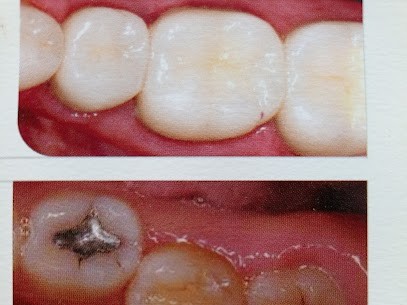
How Dental Fillings Restore a Damaged Tooth
A dental filling restores tooth structure lost to decay or a small fracture. It helps restore shape and function, but the tooth still needs daily cleaning and protection against further decay.
Before the filling
The dentist examines the tooth and may take an X-ray when indicated. Not every mark needs drilling: early decay with an intact surface may be managed preventively. The size and depth of damage determine whether a filling is appropriate.
During treatment
Local anaesthesia may be used. Damaged tissue is managed, and a suitable material is placed and shaped. Composite resin and glass ionomer are among the materials used for different situations. The bite is checked before you leave. A heavily weakened tooth may need a larger restoration instead.
Aftercare and review
Follow advice about eating while numb and caring for the restoration. Temporary sensitivity can occur. Contact the dentist if the bite feels uneven, pain worsens or a filling breaks. Fillings can wear or develop decay at their margins and need review.
Read about composite fillings or ask Samarth Dental Clinic in Hinjawadi about restoring your tooth.